







Search Results for: political neutrality

Starbucks Korea urgently halts presidential candidate nicknames, political jokes blocked by officials
Starbucks Korea's "Call My Name" service was originally intended to bring store staff and customers closer together, but on the eve of South Korea's presidential election, some customers turned it into a stage for political jesting. According to reports from multiple foreign media outlets, because some people placed orders using the names of presidential candidates, baristas were forced to loudly call out these sensitive names in public, and the brand had to urgently introduce new rules. Starting before the election on the 3rd of next month, the names of six candidates, including Lee Jae-myung, as well as the name of former President Yoon Suk-yeol, can no longer be used as nicknames on the Starbucks app. Is this rule meant to maintain store order, or is it being overly sensitive? Let's take a look at how the incident unfolded. [more…]
Global Major Coffee Producing Regions Flavor Inventory: Taste Characteristics from Brazil Santos to Jamaica Blue Mountain
The flavor map of coffee is inextricably linked to its place of origin. From Brazil, the world's largest producer, to Jamaica, renowned for Blue Mountain; from the rich, full-bodied character of Indonesian Mandheling to the fruity acidity of Ethiopian Mocha, every producing region shapes a highly distinctive cup profile through its unique terroir and processing methods. This article systematically reviews the coffee characteristics of major origins—including Brazil, Colombia, Mexico, Hawaii, Indonesia, Costa Rica, Angola, Ethiopia, Jamaica, Kenya, Yemen, Peru, and Guatemala—analyzing their flavor tendencies, grade structures, and market positioning, to help coffee enthusiasts build a clear framework of origin knowledge when selecting and blending beans. Front Street Coffee will also draw on regional characteristics to offer reference ideas for everyday brewing. [more…]
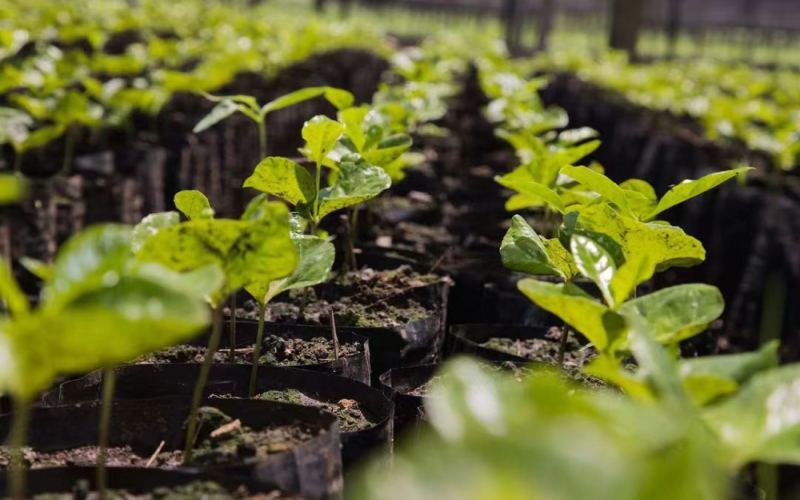
A Complete Analysis of Salvadoran Coffee Bean Origins: From Historical Changes to the Flavor of Bourbon and Pacamara Varieties
Although El Salvador is a small country, it occupies an important position on the coffee map of Central America. Here, there is both the delicate acidity and sweet balance nurtured by volcanic fertile soil, as well as a tumultuous history of dye substitution, land reform, and the ravages of leaf rust. Front Street Coffee has long been deeply involved in estates across multiple producing regions in El Salvador, accumulating a large number of flavor samples through roasting and cupping. This article begins with the coffee story of El Salvador, sorting out its growing conditions, the characteristics of nine major producing regions, and the main varieties (Typica, Bourbon, Pacas, Pacamara), and includes Front Street's roasting and brewing approach for the Santa Ana Chocolate Lover, taking you through a comprehensive understanding of the coffee charm of this "Volcano Country." [more…]

Why Is Iced Americano So Widely Loved? Unpacking the Appeal of This Coffee, from Health Benefits to Social Appeal
In recent years, the popularity of iced Americano has continued to climb, becoming the daily first choice for many coffee lovers. It is affordable, delivers a noticeable energy boost, and is low in calories, while also being quick to make and suitable for all kinds of social occasions. Compared with the complex flavor discernment involved in pour-over coffee, iced Americano has a stable taste and a high level of acceptance, allowing drinkers to enjoy it easily anytime and anywhere without agonizing over differences in origin and roasting. Whether for a morning pick-me-up or to cut through richness after a meal, iced Americano shows a unique appeal, and has even been jokingly called a "longevity secret" by netizens. This article will analyze why iced Americano is so popular from multiple angles, including health, social life, and culture, and share related product information from Front Street Coffee. [more…]
Global Coffee Cultivation Map Analysis: A Comprehensive Overview of Flavor Characteristics and Representative Bean Varieties from the Four Major Producing Regions
Coffee enthusiasts often ask: where in the world is coffee grown? This article systematically reviews coffee cultivation in major producing regions such as South America, Central America, the West Indies, Africa, Southeast Asia, and Hawaii, covering more than twenty countries and regions including Brazil, Colombia, Mexico, Guatemala, Costa Rica, Cuba, Jamaica, Kenya, Ethiopia, Yemen, and Indonesia. From production scale to flavor characteristics, from grade classification to optimal roast level, it explains in detail the unique qualities of coffee from each place. Whether you are a beginner or a seasoned enthusiast, this producing-region guide can help you more clearly understand the diversity of the coffee world. Front Street Coffee has also compiled representative bean varieties from each producing region for you, making it easy to compare and choose. [more…]

New Developments in Starbucks Store Seating Management: Non-Purchasing Customers May Face Polite Requests to Leave, Sparking Controversy Over the "Third Place" Positioning
Starbucks has long positioned itself around the "third space" concept, offering customers a place to study, work, and socialize. However, as the phenomenon of occupying seats without making a purchase becomes increasingly common, many paying members report that store seating is taken up by non-consumers, greatly diminishing their experience. Recently, some netizens revealed that certain stores have begun "politely asking" non-purchasing customers to leave, requiring anyone who sits down to place an order, sparking widespread discussion. Supporters argue this helps maintain operational order, while opponents worry it damages the brand image. Starbucks customer service responded that all stores welcome customers to sit, regardless of whether they make a purchase. How will this debate over the boundaries of the "third space" ultimately affect Starbucks' future direction? [more…]
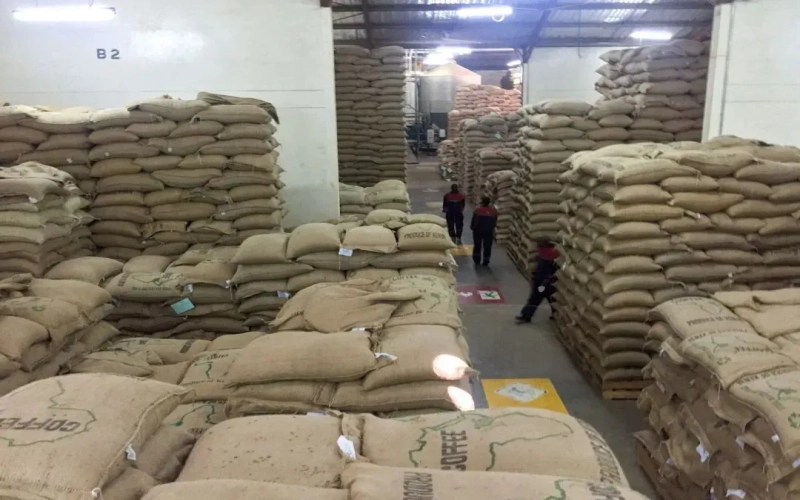
Kenyan coffee auction prices rise 15%, as declining production and political volatility loom over the industry
After the Nairobi Coffee Exchange in Kenya reopened, coffee auction prices rose significantly, with AA-grade green beans fetching US$275 per bag, up 15% from before. Behind this increase are both the direct impact of the government's push for industry reforms and the reduction of intermediary links, as well as multiple pressures such as insufficient processing plant capacity, a shortage of certified planting materials, and the mpox outbreak and domestic political instability. Despite the higher prices, coffee export earnings fell 11.38% year on year, and the industry's outlook remains full of uncertainty. [more…]
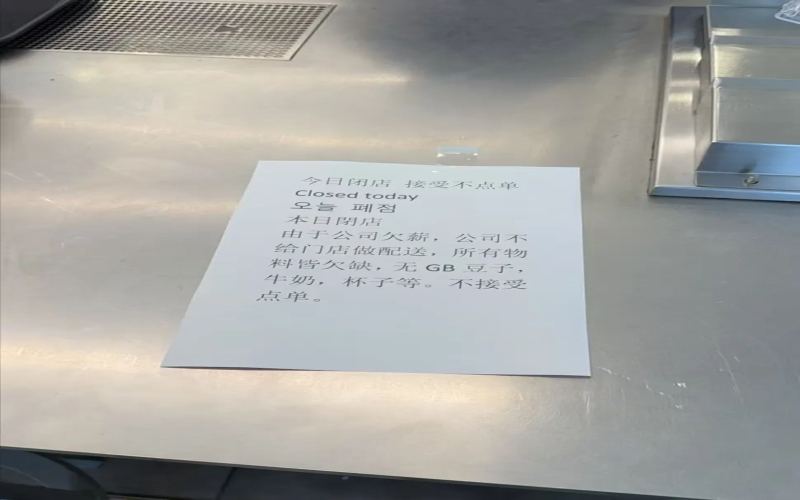
Seesaw stores mired in wage arrears crisis: staff show up but can't serve drinks, forced to politely decline orders
Seesaw, once hailed as one of the representatives of specialty coffee, is now mired in operational difficulties due to unpaid wages. Although employees at its Shanghai IFC store report to work on time, the company's wage arrears and cut-off of supplies have made it impossible to prepare drinks, forcing them to post a notice in Chinese, English, Korean, and Japanese to politely decline customer orders. From unpaid supplier payments to labor arbitration by former employees, from the founder being repeatedly subject to consumption restrictions to more than sixty economic disputes, this former coffee star brand is experiencing an unprecedented crisis. Many loyal customers have expressed regret and lament, while others have called on the brand to handle employee rights and interests with dignity. [more…]

Overview of El Salvador's Six Major Specialty Coffee Regions: Bean Varieties, Flavor Characteristics, Grading Standards, and Brewing Notes from Representative Estates
Although El Salvador is a small country, it was once the fourth-largest coffee producer in the world. The civil war once left the industry in decline, and although it has gradually recovered today, production has struggled to return to its former peak. After recently cupping several Salvadoran coffees, Front Street found that regardless of which producing region they come from, a delicate and soft acidity along with a sweet, balanced mouthfeel are always common characteristics of the country's coffee. This article reviews the geographical and flavor differences of six specialty producing regions, explains the SHG and CS grading system based on altitude, and records the roasting, cupping, and brewing performance of the Bourbon from Chocolate Lover Estate and the Black Honey Pacamara from Posido Estate that Front Street acquired, for the reference of coffee enthusiasts. [more…]
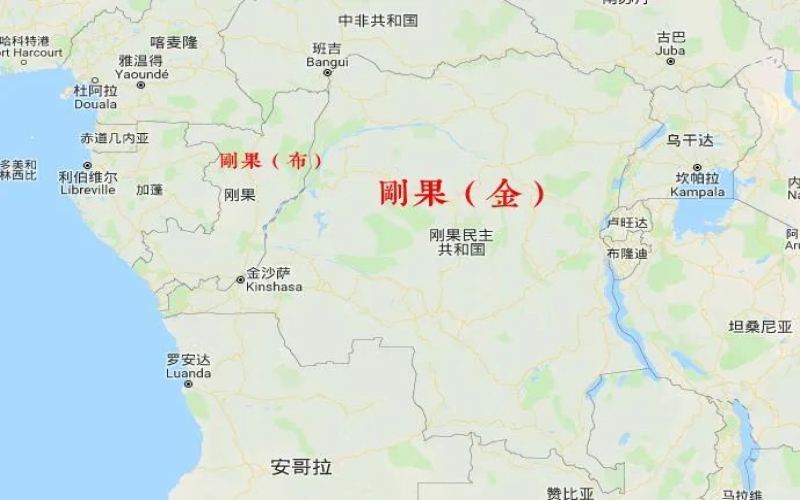
From Granary to Crisis to Recovery: The Tortuous Development of the Coffee Industry in the Democratic Republic of the Congo
The Democratic Republic of the Congo was once hailed as Africa's breadbasket, endowed with vast tracts of arable land, and coffee once held an important place in the country's economy. However, the shadow of colonial rule and successive waves of political turmoil severely constrained the development of the coffee industry. From coffee leaf rust propelling it to become a cash crop, to the sharp decline in production after the civil war, farmers risking cross-border bean sales, and now the gradual rebuilding in peacetime, the DRC's coffee industry has traversed an extraordinarily rugged path. This article will take you through this little-known history, as well as the opportunities and challenges currently facing the country's coffee industry. [more…]
Flavor Analysis of Costa Rican Tarrazú Region Yellow Catuai Raisin Honey Process
The Tarrazu region of Costa Rica is world-renowned for its balanced, clean flavors, and the raisin honey process adds a uniquely sweet touch to this land. This article focuses on the performance of the Yellow Catuai variety under this processing method, starting with the double fermentation process learned from Front Street Coffee, and analyzes the causes of its intense fermentation aroma and raisin flavor. At the same time, it takes you into the Tarrazu region to learn about Costa Rican coffee's growing conditions, the evolution of processing techniques, and the stories of well-known estates such as La Minita, and includes Front Street Coffee's roasting recommendations and practical records, presenting a complete flavor map for coffee enthusiasts. [more…]
Brazil Santos Coffee Flavor Analysis: A Balanced, Neutral Bean and a Great Entry Point for Single-Origin Coffee
As a representative bean of the world's largest coffee-producing country, Brazil Santos serves as a versatile base for coffee blends thanks to its neutral, smooth taste and moderate acidity, and it is also the go-to choice for many coffee lovers just getting started. After medium roasting, it releases the alluring aroma of stone fruit and cream, with rich oils and a long finish. In this article, Front Street Coffee will guide you through a comprehensive look at this remarkably well-balanced Brazilian coffee bean from multiple angles, including its origin background, flavor characteristics, roasting approach, and processing methods. [more…]
A Complete Guide to Coffee Bean Flavor Classification: Bitter, Acidic, Sweet, Neutral, and Rich Styles with Roasting Key Points
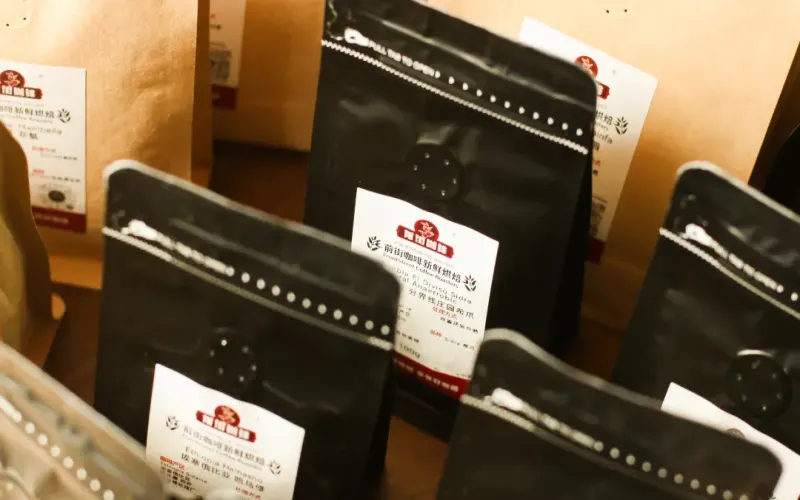
The flavors of coffee beans are incredibly diverse, and can generally be grouped into several major types: bitter-leaning, acidic-leaning, sweet-leaning, neutral, and aromatic/mellow. These differences mainly stem from the origin, variety, processing method, and roast level. During roasting, the Maillard reaction and caramelization together shape the aroma and color of the coffee, while the balance of acidity, sweetness, and bitterness depends on the length of the roast—the longer the roast, the weaker the acidity, the heavier the bitterness, and the more caramelized aromas accumulate. This article will systematically sort out the flavor classifications of coffee beans and, for pour-over and espresso scenarios, recommend dark-roast beans such as Front Street PWN Golden Mandheling, Front Street Dark Cocoa Base Blend, and Front Street Classic Blend, helping coffee enthusiasts choose beans precisely according to their taste preferences. [more…]

Indonesian Protest Wave Hits Coffee Industry: Exports Plunge by More Than Half, Casting a Shadow Over Origin Prospects
Large-scale protests erupted in multiple parts of Indonesia against the amendment to the Regional Election Law, and the situation in front of the Indonesian parliament building in Jakarta briefly spiraled out of control, with more than 300 people arrested. This political turmoil comes just as Indonesia's coffee industry faces severe challenges—exports from the Sumatra production region plunged by more than 50% year on year, and compounded by high global robusta prices and the Red Sea crisis, Indonesia's coffee market remains sluggish. The protests have affected union participation and obstructed logistics, and industry insiders are generally pessimistic about the outlook for the coffee industry. This article will sort out the ins and outs of the incident and its deep impact on the coffee industry. [more…]

What to Do If Espresso Is Too Bitter to Drink Straight? A Complete Guide to Fancy Ways to Enjoy It with Sugar, Milk, Lemon, and More
Espresso is extremely concentrated with intense flavor, but not everyone can accept its strong bitterness when drunk straight. Without changing the concentration of the espresso, adding sugar, dairy products, lemon, salt and other seasonings to balance the bitterness allows people to enjoy the richness of highly concentrated coffee while avoiding the unpleasant bitterness. This article summarizes a variety of fancy ways to drink espresso: the sweet neutralization of white sugar, yellow sugar, and brown sugar; the cream topping of Con Panna; the small amount of milk garnish of Macchiato; the condensed milk pairing of Spanish candy coffee; the balance of lemon acidity and granulated sugar in Roman espresso; and the little trick of adding salt to reduce bitterness. All espresso in this article is extracted using Front Street Classic Blend, with parameters of 20g, 30s, 40ml, and flavor notes of chocolate, nuts, cream, and cookies. [more…]
A Comprehensive Guide to Nicaragua's Specialty Coffee Regions: Flavors and Markets from Jinotega to Nueva Segovia
Nicaragua's coffee industry has weathered repeated upheavals due to political turmoil, but today private owners dominate the market, and specialty coffee has been revitalized. The high-altitude zones of the north and center, especially Jinotega and Nueva Segovia in Matagalpa, produce high-quality coffee with moderate acidity and an alluring aroma. These coffees are mostly classified as Strictly High Grown (SHG) and are suitable for dark roasting for espresso. Lower-grade beans are often used in blends. Front Street Coffee recommends paying attention to this region's unique flavors and market shifts. [more…]
Nicaraguan Coffee Flavor and Variety Analysis: Regional Characteristics, Growing Environment, and Industry Development History
Nicaragua, as an important coffee-producing country in Central America, despite its weak economic foundation and the hardship faced by coffee farmers, produces coffee that ranks among the world's best with its moderate acidity and rich aroma. The three major producing regions of Matagalpa, Jinotega, and Segovia are particularly outstanding, with Matagalpa's coffee flavor often compared to Kenya AA. This article will introduce you to the flavor characteristics of Nicaraguan coffee, its main varieties, the climate conditions of the growing regions, and the profound impact of political changes on the coffee industry. At the same time, Front Street Coffee will also recommend Nicaraguan coffees worth trying. [more…]

Coffee Flavor Experiment: Can a Pinch of Salt Neutralize Bitterness and Improve Flavor Balance?
What should you do if your coffee is too bitter? Some people suggest that adding salt can improve the taste. In this article, through a controlled experiment with Mandheling coffee, we tested the effects of three different amounts of salt—0.01g, 0.02g, and 0.03g—on the coffee's flavor. The results showed that 0.02g of salt balanced the bitterness and saltiness, enhanced the body, and made it easy to drink; while 0.01g still had a pungent taste, and 0.03g was too salty. The experiment showed that adding salt can indeed mask bitterness to a certain extent, but similar to the bypass method, it is mainly suitable for rescuing extraction mistakes or coffee that is about to go wrong. If the coffee itself is perfectly extracted with balanced acidity and sweetness, adding extra salt will instead disrupt the flavor balance and artificially create negative tastes. [more…]
Tanzanian Coffee Beans: Variety Stories, Origins, Grading, Characteristics, Flavor and Taste Description and Introduction
Tanzania is an important coffee-producing country in East Africa. Its coffee industry was once dominated by estate cultivation, but today more than 85% of production comes from smallholder farmers, who are organized through cooperative organizations such as the Kilimanjaro Native Cooperative Union (KNCU). Tanzanian coffee once suffered from quality fluctuations due to political instability, pests and diseases, and smuggling, but in recent years it has gradually improved. Its coffee beans are known for being rich and refreshing, with lower acidity than Kenya's, and for their pure, aromatic flavor, especially the Chagga AA-grade coffee produced in the Moshi district of Mount Kilimanjaro, which has plump beans and a full aroma. This article will guide you through the varietal story, origin characteristics, grading, and market evolution of Tanzanian coffee, and includes Front Street Coffee's recommendations and brewing suggestions. [more…]
Exploring South America's Hidden Origins: Peru's Coffee Growing History, Three Major Regions' Washed Beans, and an Analysis of Front Street Coffee's Geisha Flavor
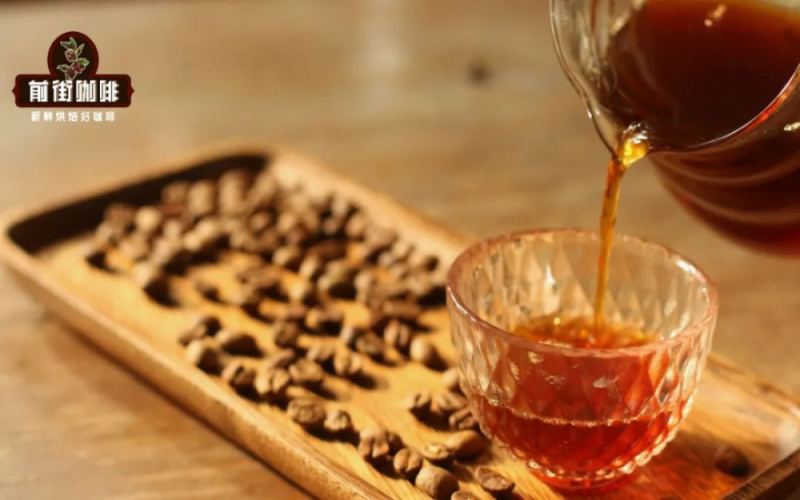
On the eastern side of the Andes along the western coast of South America, Peruvian coffee has long existed in the specialty coffee world with a low-key yet steady presence. It was once an important component in blend formulations, providing body and balance, and due to historical turmoil, it once faded from the international spotlight. From the political upheavals of the 19th century to the revival in the 1990s, the Peruvian coffee industry has forged a unique path. Today, with its organic growing environment, traditional washed processing, and high-altitude microclimates, Peruvian coffee has regained attention. This article will outline the historical development of Peruvian coffee, the characteristics of the three major producing regions in the north, center, and south, the grading system and processing methods, and present a detailed flavor review of the washed Geisha from the Cajamarca region selected by Front Street Coffee. [more…]